

The transition from male to female (MTF) is often perceived as being limited to physical changes when viewed from the outside. However, this process is a highly personal journey with many emotional, psychological, social, and physical layers. Every trans woman’s experience is different, and there is no “right” or “single” way to transition. Therefore, what makes the process harder or easier than expected is not only the steps taken but also how much attention is paid to the individual’s needs.
Why is Emotional and Psychological Support Important During the MTF Transition?
The foundation of the transition process is emotional and psychological well-being. The process of self-discovery, accepting one’s identity, and integrating it into different areas of life can take time. At this point, seeking support from a psychologist or counselor who has worked with transgender individuals and affirms identité de genre can make the process much healthier.
With this support:
- You can explore your identity without judgment.
- You can better understand the emotional changes that arise during the transition process.
- You can develop ways to cope with difficulties that may arise in your family, work life, or social environment.
- You can strengthen your self-confidence and emotional resilience.
Some healthcare systems may require a psychological evaluation before hormone replacement therapy (HRT) or surgical interventions. However, many centers today adopt an informed consent model, prioritizing the individual’s right to decide about their own body and identity. No matter what stage you are at, working with a professional who understands you can lighten the burden of the transition process.
What is Gender-Affirming Personal Care?
Gender-affirming care is not limited to hormones or surgery. This care encompasses all kinds of support and services that help a trans femme feel more comfortable, safe, and whole. For some, this process may involve medical interventions, while for others, social transition alone may be sufficient.
This includes:
- Psychological support
- Voice therapy
- Image and style counseling
- Social transition (name, pronouns, clothing)
- Medical and surgical options are among the components of gender-affirming care.
Hormone Replacement Therapy (HRT) and Its Effects
Hormone Replacement Therapy (HRT) is an important step for many trans women in helping their bodies become more aligned with their gender identity. Estrogen and testosterone suppressants are commonly used.
Possible effects of HRT include:
- Breast development
- Softening of the skin
- Changes in fat distribution
- Decreased body hair
- Changes in emotional responses
These changes occur over time and do not progress at the same rate or in the same way for everyone. Therefore, it is important that hormone therapy is always administered under medical supervision.
The most important point to remember is this: HRT is not a requirement. It is possible to be a trans woman without using hormones. Your identity is not determined by the treatments you receive, but by how you define yourself.
Body Feminization: Is a More Feminine Appearance Possible?
One of the most frequently asked questions during the transition from male to female is about body feminization. Body feminization is the set of methods aimed at bringing a person’s body closer to an appearance that makes them feel plus féminin.
This process can progress naturally under the influence of hormones, or in some cases, it can be shaped with additional support. Increased fat distribution in the hips and buttocks, a more defined waistline, and softer facial features are important steps for many trans women.
- Within the scope of body feminization,
- The effects of HRT
- Diet and exercise routine
- Posture and body awareness
- Clothing choices play a major role.
For some trans women, surgical body feminization may also be an option; however, this is entirely a personal choice. Having a more féminin body is not a measure of womanhood. What matters is the connection you establish with yourself when you look in the mirror.
Conclusion: Who Finds the Transition Process Difficult?
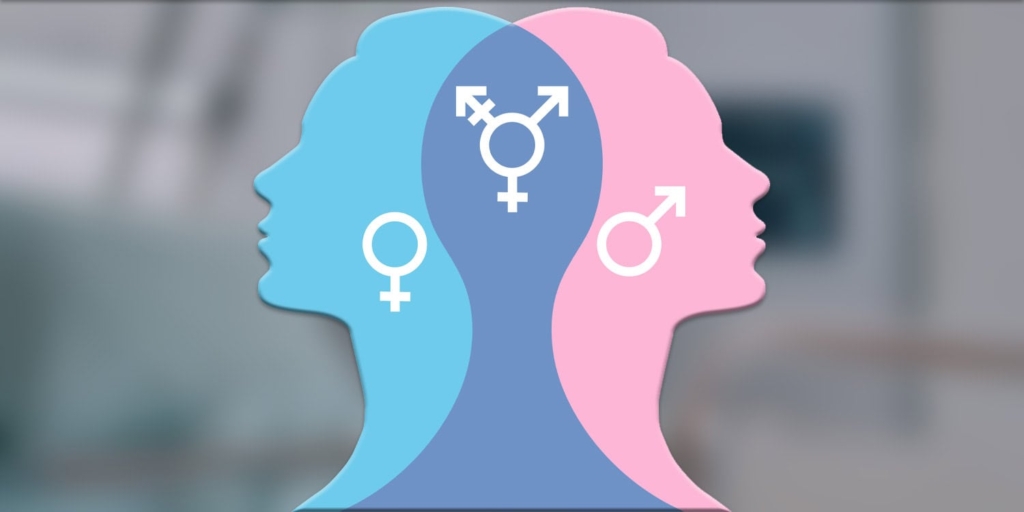
The transition process from male to female may be more difficult than imagined; but it can also be more liberating than imagined. The difficulty of the process is directly related to expectations, social pressures, and the support received. Giving yourself time, listening to your needs, and knowing that you are not alone makes this journey more bearable.
Remember: Transition is not a race, it is your journey. Only you decide how, when, and with which steps you will move forward.
Feminizator.com est un site Web qui croit que féminité est un univers coloré. Ici, vous ne trouverez pas de définitions rigides ou de stéréotypes éculés sur la féminité. Au lieu de cela, nous célébrons un spectre vibrant avec toute la complexité, la puissance et la joie d'être « ça ». Chaque jour, nous plongeons dans le monde multiforme de la féminité. Nous explorons des sujets tels que la force intérieure, l'expression créative, la vie consciente et les perspectives mondiales. Nous embrassons également LGBT+ et les personnes transgenres et leur montrer différentes façons d'être féminines. Nous sommes là pour vous permettre d'accepter votre féminité, de vous approprier votre propre histoire et de vous épanouir dans la meilleure version de vous-même. Bienvenue sur FéminisateurBienvenue chez vous.


 French
  English
  German
  Italian
  Arabic
  Russian